


The Stadion at Olympia
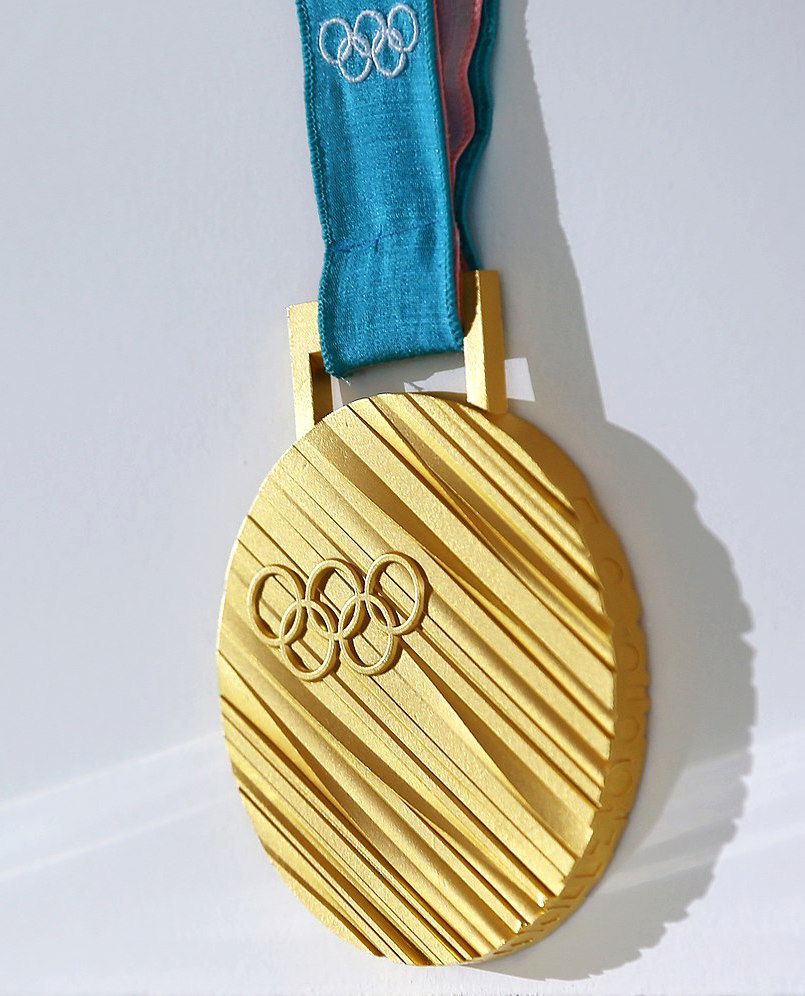
The words of John Williams beautifully surmise the modern Olympic Games,
“The Olympics are a wonderful metaphor for world cooperation, the kind of international competition that's wholesome and healthy, an interplay between countries that represents the best in all of us.”
The modern games which began in 1894 are an adaptation of a religious and cultural event held over 1500 years ago in Ancient Greece from 776 BC to 393 AD until they were banned by the Roman Emperor Theodosius. Some sources allege that there is archaeological evidence that suggests the games may have existed much earlier than this date, perhaps as early as the 10th or 9th century BC.
Just how far back the athletic event goes is still under debate. However, it is reasonably certain that by the end of the 6th century BC, the Panhellenic Games- the four major Greek sporting events became very popular. Of all the events hosted across Ancient Greece, these were the most popular: the Olympic Games and the Pythian Games held every four years at Olympia and Delphi, and the Nemean Games and the Isthmian Games at Nemea and near Corinth every two years.

The Games began as a show of strength to honour the Greek God Zeus and were held near the site of his temple in Olympia; they soon became a tradition for which all other socio-political affairs were put on hold. Their importance can be gauged by the fact that historians used an ‘Olympiad’, the gap between two Olympics, as a measurement of time. Among the various festivals and events held across the Greek empire, the Olympics were the most popular. Over the years, the one-stade run around the temple expanded to include a plethora of sports ranging from the javelin, sprint, jumping and even wrestling. Unlike the modern adaptation, the Ancient Olympics were reserved for freeborn Greek men only. Women were neither permitted to participate nor watch. It is known that the women had a separate gaming festival of their own, held in the honour of Goddess Hera, Zeus’s wife.
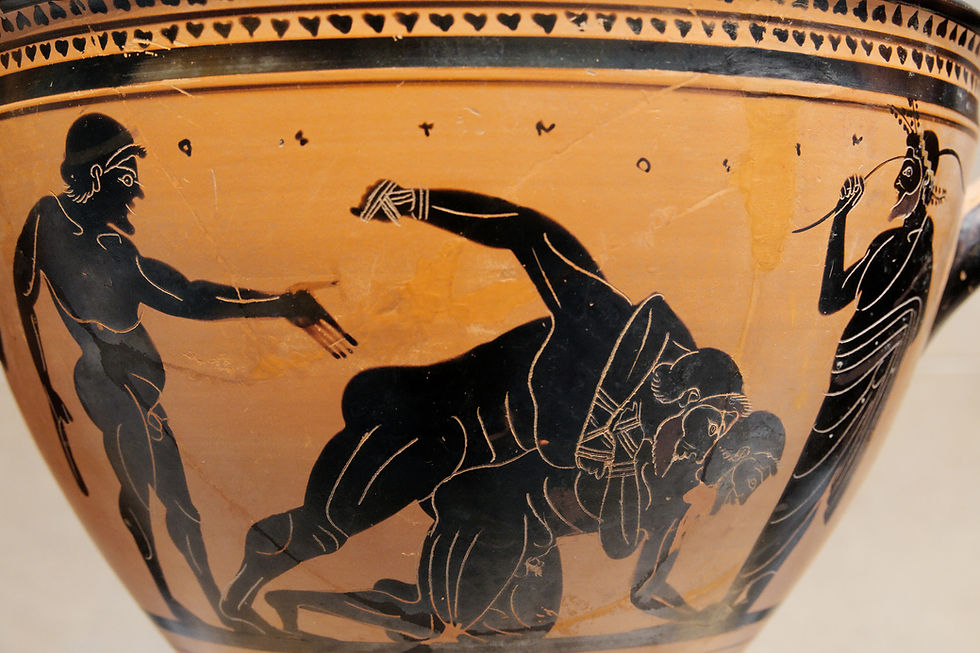
All the athletes were expected to swear an oath to adhere to the rules and regulations laid down. Initially, the contests were held on a single day, but over the decades the games became a multiday event. The participants were provided training facilities but they had to pay for their travel and stay themselves. The winners were crowned with an olive wreath, they often received grains or other material goods as the prize but no monetary compensation. The Greeks believed there was honour in strength. The winners might not make a fortune but they did earn loads of accolades.

The Ancient Olympics were not limited to simply sports, they were a pedestal to showcase talent. Sculptors, poets and artists from all the city-states gathered in Olympia to both to promote their work to the masses and draw inspiration from the spectacle of human strength at the display. A lot of the artwork provides as a source material for today’s historians to gain insight to Greece and its history.

Thus, it can be concluded, human fitness and strength have been a valued trait since the ancient times. The core concept of healthy competition and appreciation for skill is what keeps the Olympics relevant and cherished across the world.


Comments